Real Estate Investing
How to Estimate Rehab Costs Accurately
November 16, 2025
9 min read
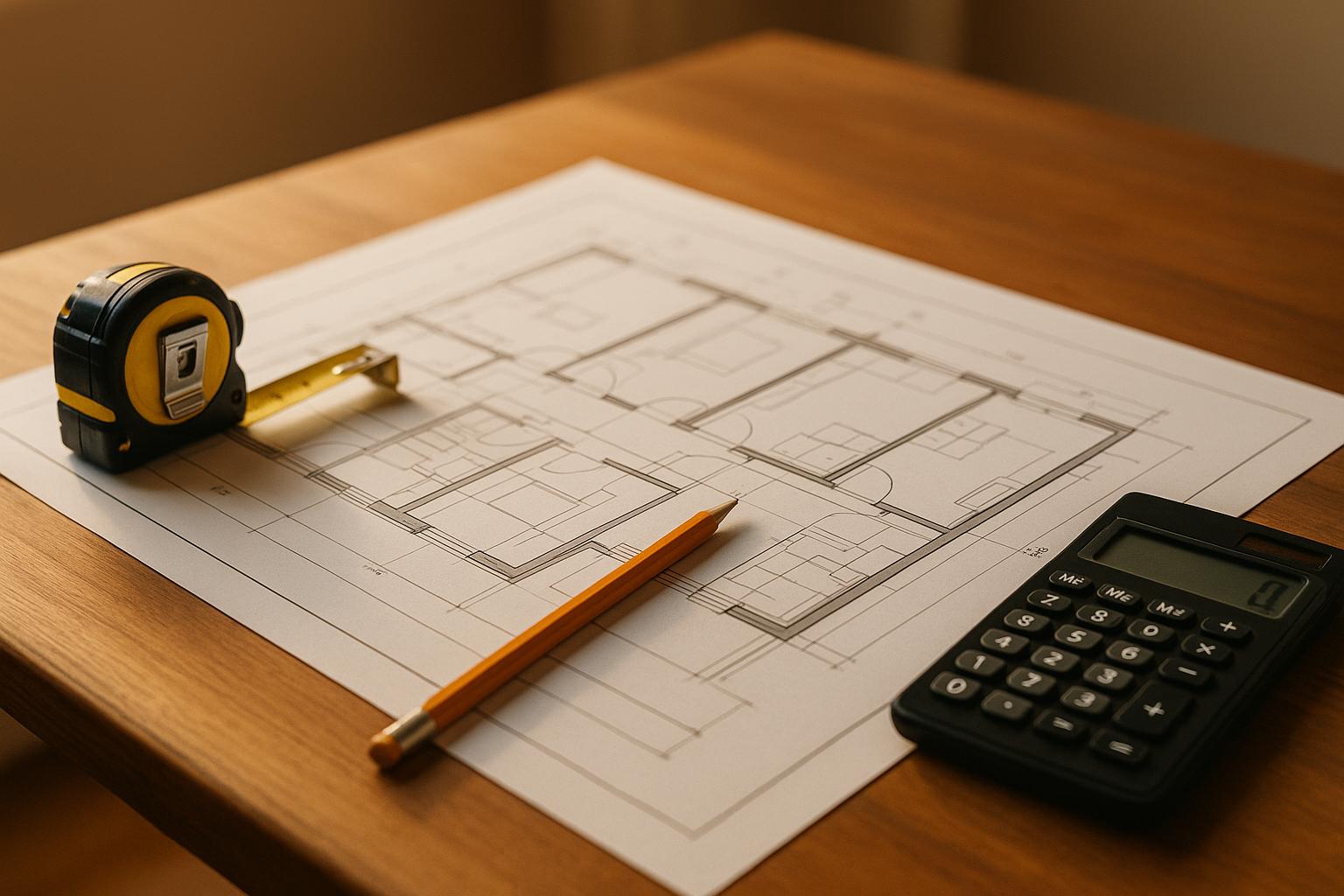
Want to avoid losing money on property rehabs? Here's the key: Accurate cost estimation is essential for real estate success. Misjudging expenses can turn a profitable deal into a financial disaster. Whether you're flipping houses or managing rentals, understanding rehab costs ensures smarter decisions, better budgets, and fewer surprises.
Here's what you need to know:
-
Three main cost categories:
- Structural (foundation, roof, load-bearing repairs)
- Mechanical (plumbing, electrical, HVAC updates)
- Cosmetic (painting, flooring, landscaping)
-
Steps for accurate estimates:
- Inspect the property thoroughly, inside and out.
- Create a detailed, itemized scope of work.
- Research local labor and material costs.
- Add a contingency buffer for unexpected expenses (10%-20% is common).
-
Avoid common mistakes:
- Don’t rely on national averages - get local contractor quotes.
- Plan for hidden costs like permits, inspections, or outdated systems.
-
Use tools wisely:
While spreadsheets and online calculators work, AI platforms like PropLab simplify analysis and provide market-specific insights.
Bottom line: Accurate rehab cost estimation is a skill you build with experience and the right tools. By inspecting carefully, budgeting smartly, and leveraging technology, you can protect your investment and maximize returns.
How to Estimate Rehab Costs on ANY House (STEP-BY-STEP)
Step-by-Step Guide to Estimating Rehab Costs
Building an accurate rehab budget starts with a systematic approach to estimating every expense.
Gather Property Details and Conduct a Thorough Inspection
Start by collecting essential details about the property, such as its size, architectural style, and any visible structural or system-related issues.
Take a walk through the entire property, photographing areas that need attention. Pay close attention to walls, floors, and ceilings for signs of water damage, foundation cracks, or outdated electrical systems. Keep in mind that properties of different sizes and styles will have unique requirements when it comes to rehabilitation.
Test all major systems by turning on fixtures and checking electrical outlets. Don’t forget the exterior - inspect the roof for damage, check the condition of gutters, and evaluate siding or brickwork. Exterior repairs often carry a hefty price tag, so it’s crucial to assess these elements carefully.
Develop a Detailed Scope of Work
Once you’ve gathered all the property data, turn your findings into a clear and actionable scope of work.
Break down the necessary tasks into specific, itemized actions. Instead of vague descriptions, categorize repairs and renovations by room or type of work. This level of detail helps ensure accurate pricing.
Research local costs for both materials and labor. Labor expenses often make up a significant part of a rehab budget, so it’s important to get these estimates right. Additionally, check with your local building department to determine which permits are required and factor those costs into your budget. This comprehensive document will serve as the backbone of your cost projections.
Include a Contingency Buffer
Even with detailed estimates, unexpected repairs can arise, so it’s wise to build in a contingency buffer.
Set aside extra funds to handle surprises like hidden wiring issues, water damage, or structural problems. The size of this buffer should depend on the property’s condition and the complexity of the project. For example, older properties or those with deferred maintenance may require a larger safety net because they’re more likely to have concealed issues.
A good rule of thumb is to calculate the buffer as a percentage of the total estimated costs. If you’re new to rehabbing properties, consider a more cautious approach with a higher buffer. Seasoned investors, on the other hand, might adjust their contingency based on experience with similar projects.
Tools and Technologies for Cost Estimation
Having the right tools in your corner can make all the difference when estimating rehab costs. While traditional methods like spreadsheets and manual calculations still hold their place, automated tools offer faster access to property data and market trends, giving you an edge in evaluating deals. Let’s take a closer look at how tools like PropLab and manual methods can shape your estimation strategy.
Using PropLab for AI-Powered Deal Analysis

PropLab, an AI-driven tool specifically designed for real estate professionals, brings a modern twist to deal analysis. By leveraging advanced algorithms and comprehensive property data, PropLab delivers timely insights into key metrics and market trends. While it’s not built to generate detailed rehab budgets, its data visualization and reporting capabilities can complement your budgeting process. Think of it as a tool that sharpens your overall deal evaluation strategy, providing a clearer picture of the market and helping you make more informed decisions.
Manual vs. Automated Solutions
Choosing the right approach to cost estimation often depends on your goals, experience, and resources. Here's a breakdown of the pros and cons of different methods:
| Method | Advantages | Disadvantages | Best For |
|---|---|---|---|
| Spreadsheets | Fully customizable, no subscription fees, complete control | Time-consuming, prone to human error, requires detailed research | Experienced investors with established contractor networks |
| Online Calculators | Quick, easy to use, often free | Limited customization, generic results, may not reflect local pricing | Quick property screening and rough estimates |
| AI-Powered Platforms | Combines diverse data sources, simplifies analysis, offers detailed reporting | Subscription fees, potential learning curve | Active investors and professionals managing multiple deals |
Spreadsheets give you control but demand constant updates and a lot of manual effort. Online calculators are great for quick, rough estimates but often rely on national averages, which might not reflect local market conditions. AI-powered platforms, like PropLab, take it a step further by integrating current market data and streamlining the analysis process - ideal for those juggling multiple properties or seeking deeper insights without the extra legwork.
sbb-itb-ef86070
Common Mistakes and How to Avoid Them
Even seasoned investors can stumble when estimating rehab budgets. These errors often arise from relying on incomplete data or making assumptions that overlook local market conditions. Spotting these missteps early can save you both time and money, while also helping to keep your projects on track.
Underestimating Costs Due to Regional Differences
A common mistake is basing rehab budgets on national averages or data from other markets. Labor rates, material costs, and permit fees can vary widely depending on the region. For example, while a basic slab door might average $1,500 nationally, the price could be much higher in expensive areas like San Francisco or New York. To avoid this pitfall, always gather quotes from local contractors for major tasks like roofing, electrical work, and plumbing. For instance, replacing a shingle roof typically costs between $230 and $400 per square, depending on your location and materials used. Local contractor estimates not only give you a clearer picture of costs but can also uncover hidden issues that might otherwise go unnoticed. This underscores the importance of thorough property inspections and detailed scope planning.
Overlooking Hidden and Extra Expenses
Even the most well-planned budgets can be challenged by hidden costs. These often lie behind walls, under floors, or within outdated systems that seem fine at first glance. Older homes are particularly prone to surprises. For example, a house built 70 or more years ago might have cast iron drain lines nearing the end of their lifespan, which could need replacing with ABS pipe at $12–$22 per linear foot.
Permit and inspection fees are another area frequently overlooked. Depending on your local building department, permits for electrical, plumbing, or structural work can add hundreds - or even thousands - of dollars to your budget. Some municipalities also require multiple inspections during the project, each with its own fee.
To prepare for these hidden costs, it’s smart to include a contingency buffer in your budget. During property walkthroughs, pay close attention to major systems like roofing, plumbing, and electrical components, as these are often the source of unexpected expenses.
Proper documentation is equally crucial, especially for older properties. Research the property’s history and consult with your local building department to identify potential code compliance issues. For example, homes built decades ago may have asbestos siding or other features requiring special handling and disclosure. Extensive renovations can also lead to additional costs, such as moving HVAC ducts or plumbing lines, followed by wall or ceiling repairs. Bathroom remodels, in particular, can become much pricier if new waste and service lines need to be installed. By planning thoroughly and accounting for these possibilities, you can better manage your budget and avoid unpleasant surprises.
Using Big Data and AI for Better Estimates
When it comes to cost estimation in property rehab, advanced AI and big data are changing the game. Traditional methods often struggle to keep up with the fast-paced, ever-changing real estate market. On the other hand, AI-powered platforms provide a quicker, data-driven approach that equips investors with the insights they need to make smarter decisions.
How PropLab Uses AI to Deliver Accurate Projections
PropLab’s AI system combines multiple data sources to produce rehab estimates with an impressive 98% accuracy rate. By factoring in real-time comparable sales data and the latest local market trends, PropLab simplifies the estimation process. These precise calculations not only save time but also serve as a solid starting point for making better operational choices.
Benefits of AI-Powered Tools for Real Estate Professionals
AI tools offer a range of advantages over older estimation techniques. They cut down on research time, reduce the likelihood of human error, and deliver more dependable evaluations. PropLab, for instance, allows users to analyze up to 300 properties each month and provides professional PDF reports. These features enable real estate professionals to make quick, informed investment decisions. By providing accurate forecasts and minimizing risks, AI-powered tools are becoming essential for successful property rehab projects.
Conclusion: Main Points for Accurate Rehab Cost Estimation
Getting rehab cost estimation right can make or break a real estate investment. The line between a successful flip and an expensive mistake often hinges on how accurately you calculate expenses from the start.
Begin with the basics: perform thorough property inspections, draft detailed scopes of work, and always set aside a contingency budget for surprises. These steps lay the groundwork for reliable estimates.
Don’t fall into the trap of relying solely on national averages. Local market conditions and hidden costs can vary widely. Consulting with professional contractors early in the process can help you spot potential issues and avoid costly changes halfway through the project.
Technology has revolutionized how we approach cost estimation. AI-powered tools, for example, use real-time market data to provide more precise and actionable projections than traditional methods.
Blending tried-and-true techniques with modern technology is the key to successful rehab budgeting. By following a structured process, steering clear of common mistakes, and using tools like AI platforms, you can build budgets that safeguard your investment and boost your returns.
Keep in mind, accurate cost estimation is a skill you develop over time. Each project you take on is an opportunity to refine your approach and improve future estimates.
FAQs
How can I accurately estimate rehab costs based on my local market?
To come up with rehab cost estimates that truly match your local market, you’ll need to factor in regional pricing differences. Labor and material costs can vary a lot depending on where you are. In areas with higher demand, you might face steeper prices for both.
It’s also smart to reach out to local contractors for detailed quotes on specific repairs or upgrades. They can provide a clearer picture of what things actually cost in your area, helping you build a more accurate budget. Don’t forget to think about the preferences of buyers in the neighborhood. In upscale areas, buyers might expect high-end finishes, while simpler upgrades could work perfectly in more modest neighborhoods. By tailoring your estimates to reflect these factors, you’ll be better positioned to stay competitive and see a solid return on your investment.
What hidden costs should I watch out for when estimating rehab expenses?
When figuring out rehab costs, don't overlook hidden expenses that could pop up unexpectedly. These can include:
- Plumbing or electrical problems that aren't obvious during your first walkthrough.
- Pest infestations, like termites, which might need significant treatments or repairs.
- Structural issues, such as foundation cracks or water damage, which can lead to expensive fixes.
To stay prepared, set aside a contingency budget - usually 10-20% of your total rehab estimate - and think about bringing in professionals for a detailed pre-purchase inspection. It’s a small step that can save big headaches later.
How can AI tools like PropLab help me create more accurate rehab cost estimates?
AI tools, such as PropLab, can make estimating rehab costs much easier and more precise. By automating complex calculations and analyzing data like material costs, labor rates, and regional pricing trends, these tools help you create detailed budgets that fit the unique needs of your project.
PropLab also helps you sidestep common budgeting mistakes with features like real-time cost updates and predictive analytics. This means your estimates stay accurate and reflect current market conditions, giving you a better shot at boosting your ROI while keeping financial risks in check.
About the Author
P
PropLab Team
Real Estate Analysis Experts
The PropLab team consists of experienced real estate investors, data scientists, and software engineers dedicated to helping investors make smarter decisions with AI-powered analysis tools.
Free tool
Stop guessing rehab costs
Get a line-item renovation estimate from the property details — no contractor walkthrough needed.